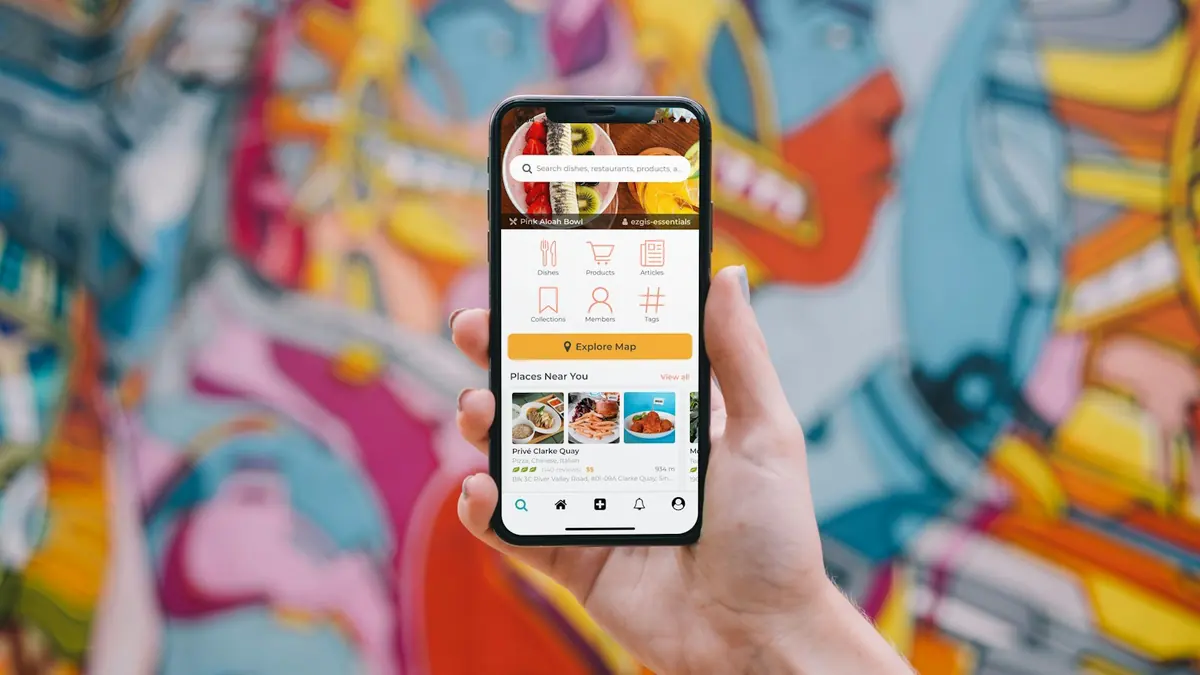
Today there are two ways to start selling online: list your products on a marketplace such as Rozetka or Prom, or launch your own online store. They aren’t rivals — they’re different tools. Let’s look at what each one gives you and why many business owners end up using both.
What a marketplace gives you
A marketplace is a large online platform where many sellers offer their products in one catalogue. Its main advantage is a ready flow of buyers: people already come there to shop, and you don’t have to explain from scratch who you are.
- a quick start: sign up, upload your products and start selling;
- buyers already trust a well-known platform;
- no need to invest in your own advertising straight away.
There are limits too. The platform charges for sales or listings — the terms depend on the marketplace and the category. Your product sits right next to competitors, so you often end up competing on price. The platform sets the rules for listings, promotions and returns. And most importantly, the buyer remains the marketplace’s customer: you can’t always reach them again to offer something new.
What your own online store gives you
Your own store is your platform with your rules. You decide what the shopfront looks like, which promotions to run and how to talk to your customers.
- Your own customer base. Buyer contacts stay with you — you can remind them about yourself, offer a repeat purchase or a discount for regulars.
- A brand. People remember your store, not “something I bought on a marketplace”.
- Freedom. Prices, promotions, a loyalty programme — without someone else’s restrictions.
To be honest about the other side: you need to bring buyers to your own store yourself — through ads, Google search and social media. It’s an investment that over time builds a sales channel of your own, independent of a third-party platform’s rules.
Why combining is often best
A marketplace brings new buyers; your own store helps you keep them. Someone finds you on Rozetka for the first time, gets a good product, and next time buys directly from your website. That way you use the strengths of both channels.
The main risk of this setup is stock. When a product sells in several places at once, updating stock by hand will sooner or later end with an order for something that’s no longer in the warehouse. That’s why the key element is stock synchronisation: sell one unit on the marketplace and the quantity drops automatically on your website too, and vice versa.
What your own store should be able to do
- a catalogue with filters so buyers quickly find what they need;
- a cart and a simple checkout with no unnecessary steps;
- online payment by card right on the site;
- Nova Poshta integration — creating waybills and tracking delivery;
- a link to your accounting system, so orders and stock don’t have to be copied by hand;
- a convenient admin panel — where you add products, change prices and see orders yourself, without a developer.
What your own store costs
An online store with ORBITA starts from 28,000 ₴ and takes 3–5 weeks. The base version includes a catalogue, cart, online payment, Nova Poshta and accounting integration, and a convenient admin panel. We fix the price in the contract before we start. The store, domain, code and all accounts are registered in your name — you fully own your sales channel.
Already selling on a marketplace and thinking about your own website? At a free audit we’ll show you how to combine the channels and set up stock synchronisation. An online store with ORBITA starts from 28,000 ₴.